Shinjuku Nightlife: Choose by Area, Purpose and Last Train
Decide where to go in Shinjuku at night by purpose, first-visit fit and whether you need the last train. Compare Kabukicho, Golden Gai, Omoide Yokocho, Ni-chome and Nishi-Shinjuku without a fixed club ranking.
Contents
Shinjuku nightlife is several different nights within walking distance of one station. The useful choice is not “best club” but which area matches the evening you actually want, whether a first visit can walk in, and whether you must be back at a ticket gate before the trains stop. GO TOKYO’s nightlife overview describes Shinjuku as busy until dawn, from Golden Gai’s tiny bars to Kabukicho’s larger entertainment, and says trains generally stop around midnight.
Checked 5 October 2026 against GO TOKYO, JR East and Tokyo Metropolitan Police pages linked below. Hours, cover charges, last trains and which bars welcome walk-ins change by venue and date. This page does not keep a club ranking or a price table.
Choose an area
| If you want… | Start with… | First-visit fit | Last-train constraint |
|---|---|---|---|
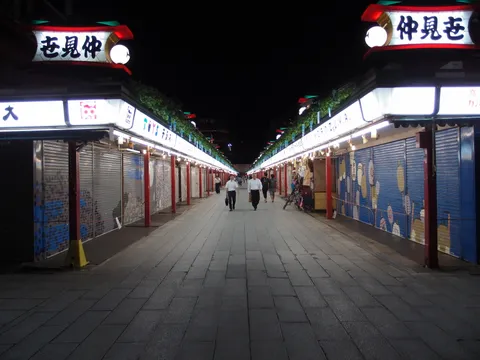
| Dinner in a very small alley before a longer night | Omoide Yokocho, west of Shinjuku Station | Easy to find the alley; seats are only about five or six per stall, so a group may split. GO TOKYO lists cash. | About 2 minutes on foot from Shinjuku Station, so it is the easiest stop to leave for a train. Hours vary; confirm the stall. |
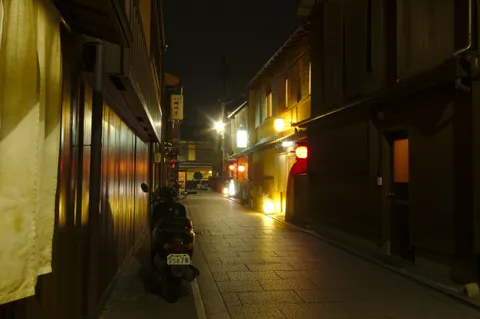
| A drink in a tiny, individual bar | Golden Gai, a few minutes from the east exit | Some bars welcome walk-ins and some are members-only. Many open relatively late, typically around 20:00. Seating is often five or six. | Leave earlier than the timetable: GO TOKYO’s walking time from Shinjuku Station is about 5 minutes, longer in a crowd. |
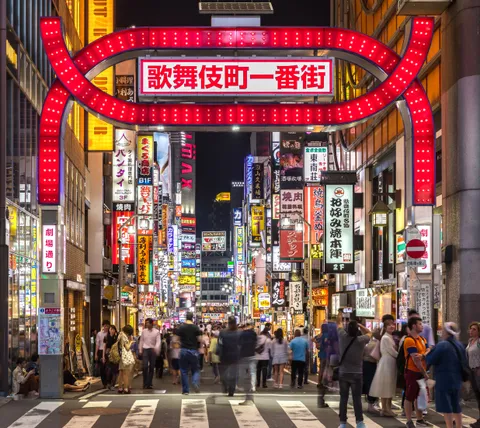
| A club, live venue, cinema or large entertainment venue | Kabukicho, beside Golden Gai | Tokyu Kabukicho Tower contains a hotel, cinema, theater, live venue and club, each with its own schedule. Street offers are not a venue list. | Same east-exit side as Golden Gai. A late event can outlast the trains; decide the return before you enter. |
| LGBTQ+ bars and clubs | Shinjuku Ni-chome | A dense bar district, not a single venue. House rules, cover and who is welcomed vary by bar. | Shinjuku-sanchome is the closer station for some exits. Use the line’s own last train, not a district average. |
| A quieter meal or night view on the west side | Nishi-Shinjuku | Hotel and office towers rather than a bar alley. Useful when the plan is dinner or a view, not bar-hopping. | West exit of Shinjuku Station. Still confirm the venue; a view restaurant is not an all-night area. |
These are separate stops. Golden Gai and Kabukicho sit on the east side; Omoide Yokocho and much of Nishi-Shinjuku are west of the station. Do not treat a walk between them as one continuous venue.
Official area notes, checked 5 October 2026:
- Shinjuku Golden Gai on GO TOKYO: about 280 bars in six lanes, some members-only, hours vary, no smoking or drinking in the street, no photography without permission. Updated 27 November 2025.
- Omoide Yokocho on GO TOKYO: a tiny yakitori alley about 2 minutes from Shinjuku Station, cash listed, hours and prices to be confirmed with the stall. Updated 27 November 2025.
- Tokyu Kabukicho Tower on GO TOKYO: hotel, cinema, theater, live venue and club in one complex; each facility sets its own schedule.
- GO TOKYO nightlife: trains stop around midnight and start again around 5 or 6 a.m.; taxis are the practical late ride. Updated 13 August 2026.
Ni-chome and individual west-side restaurants are not given a shared official hours page. Use the venue site, and use the district guides below for how those areas differ.
Last train, or stay out
Pick this before the second stop.
- You need a specific train. Open JR East’s Shinjuku timetable for JR lines, or Tokyo Metro’s last-train search for Metro lines. The time depends on line, direction and whether the day is a weekday. GO TOKYO’s “around midnight” is an area warning, not your departure.
- You can miss it. Staying out is a real option in Kabukicho and Ni-chome, not a failure of the plan. Budget a taxi back, or wait for the first trains after about 5 a.m. Do not assume a bar will remain open until then.
- Walk time counts. Omoide Yokocho is the short walk to the west side of Shinjuku Station. Golden Gai and Kabukicho need the east-exit walk GO TOKYO estimates at about 5 minutes before crowds. Leave earlier than the printed departure.
Club and live-venue nights fail when the event time and the train time are planned separately. If the venue has not published that night’s hours, it is not yet a plan.
Three routes that stay checkable
These are sequences, not reservations. Confirm each place on the day.
Dinner, then one small bar, then the train. Start at Omoide Yokocho while seats exist, cross to Golden Gai only if a bar is open to walk-ins, and return to Shinjuku Station for the train you already looked up. Read the Golden Gai guide for lane rules before you go; this page does not repeat them.
A venue night in Kabukicho. Choose one published event at a named venue, such as a live show or club night inside Tokyu Kabukicho Tower, from that venue’s own page. Ignore street offers on the way in. The Kabukicho guide covers how to read the district; this page does not rank clubs or copy admission fees.
Ni-chome, with an explicit stay-or-leave choice. Go for the bar district itself, not as an add-on after several other areas. The Ni-chome guide explains how those bars differ. If the last train from Shinjuku-sanchome or Shinjuku is already close, treat the visit as a first stop another night. For a jazz bar or other niche room rather than the district, use the Shinjuku niche-bars guide.
Practical and safety notes
Golden Gai is also a place where people live and work. GO TOKYO asks visitors not to smoke or drink in its streets and says photography needs permission.
In Kabukicho, a street tout may offer a deal. Do not follow one. Read the menu and charges before ordering. The Tokyo Metropolitan Police explain impersonation scams, street solicitation and how to get help on their English page for visitors. Nothing here is a safety guarantee.
Entry rules, cover charges and menus belong to each business. If a figure is not on that business’s current page, this guide does not supply one.
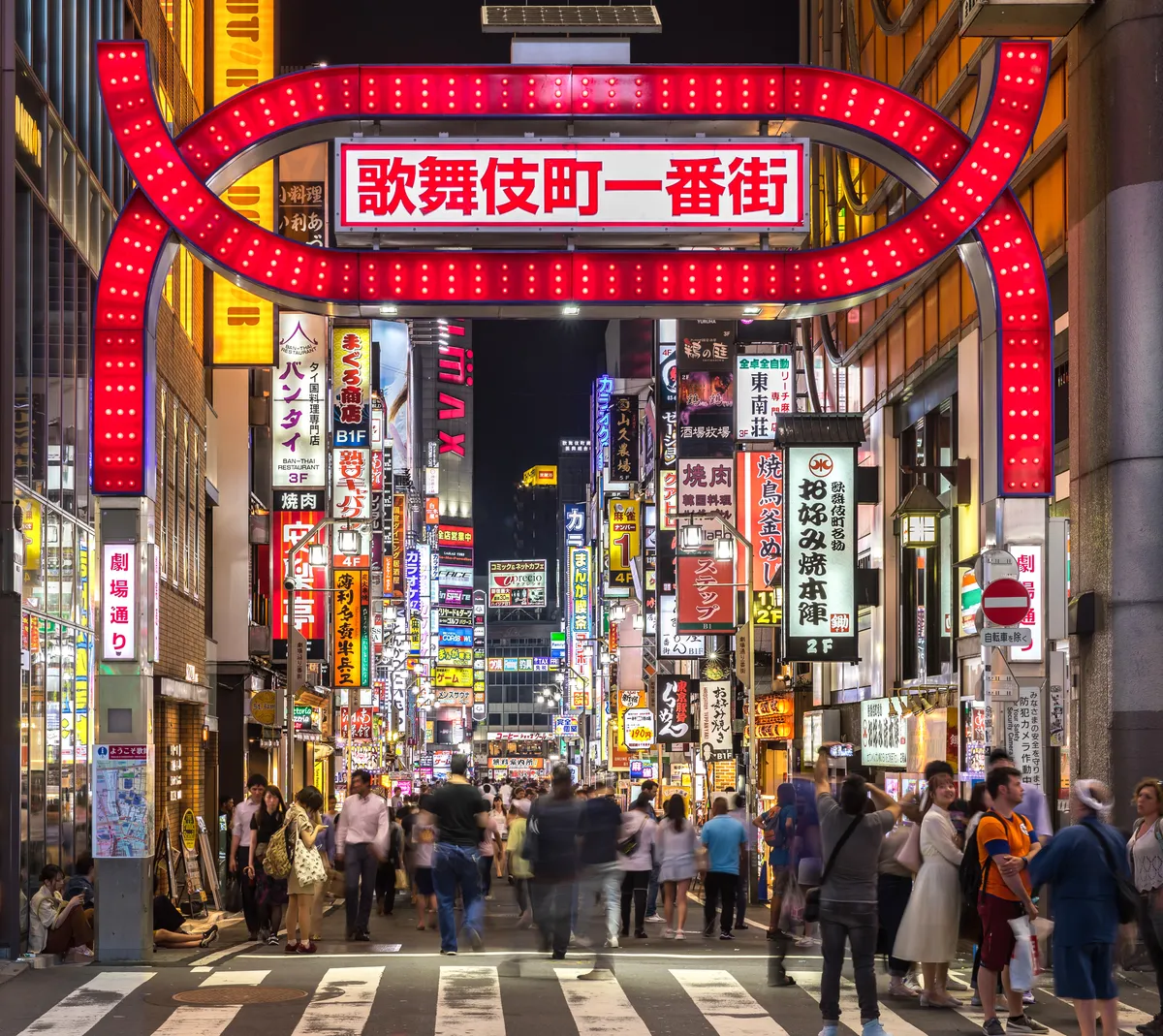
Photo: Kabukicho’s red gate at night by Basile Morin, Wikimedia Commons, CC BY-SA 4.0.
Frequently asked questions
Which part of Shinjuku should I visit at night?
Choose by the evening you want, not by a fixed club list. Omoide Yokocho is a compact dining alley by Shinjuku Station’s west side. Golden Gai is small individual bars near the east exit. Kabukicho is the larger entertainment district beside it. Shinjuku Ni-chome is the LGBTQ+ bar district a short walk away. Nishi-Shinjuku is the west-side option for hotel-area dining and a quieter skyline view. Check the venue’s own hours before you go.
Where are the nightclubs in Shinjuku?
GO TOKYO places large entertainment venues, including a live venue and club, in Kabukicho and Tokyu Kabukicho Tower, and names Shinjuku as one of Tokyo’s late nightlife areas. There is no single official club ranking or shared admission price. Use the venue’s own event page for the date, age rule and charge, and do not follow a street tout.
What time is the last train from Shinjuku?
There is no one last-train time. GO TOKYO says Tokyo trains generally stop around midnight and restart around 5 or 6 a.m. JR East’s Shinjuku timetable and Tokyo Metro’s last-train search are the sources for a specific line, direction and date. Check that departure before the evening, and plan a taxi or a stay-out if you will still be in Kabukicho, Golden Gai or Ni-chome after it.
How can I avoid trouble when choosing a bar in Kabukicho?
Do not accept a street tout’s offer. Check a venue’s menu and charges before ordering. The Tokyo Metropolitan Police English page for visitors explains tout-related trouble and lists how to contact police. This guide does not claim any street or venue is safe.

Written by
CHONMAGE
CHONMAGE publishes English-language explanations of Japan's nightlife and adult-entertainment topics. We distinguish sourced legal and operator rules from estimates; venue prices, access policies and eligibility should be checked with the operator before visiting.
Keep reading