Shinjuku Ni-chōme: Tokyo’s Gay District, Without the Guidebook Filler
Ni-chōme is the densest concentration of gay bars in the world — roughly 300 venues in a few blocks. How it became Tokyo’s gay district, how the bars actually work (bottle keep, scene specialization), and what a visitor should know.
Contents
Tokyo has one of the largest gay neighborhoods in the world, and almost nobody writing about Tokyo nightlife in English mentions it. Shinjuku Ni-chōme sits a ten-minute walk from the neon of Kabukicho, in the same ward, and packs an estimated 300 gay bars and clubs into a few blocks — the highest concentration on the planet.
This guide is the practical version: how the district came to be, how the bars actually work (because they do not work like a Western gay bar), and what a visitor should know before walking in. If you are looking for specific first-visit bars, our Shinjuku niche bars guide lists the established foreigner-friendly venues by name; this one explains the district itself.
- Why Ni-chōme exists — the red-light-district history
- How the bar scene is organized, including the bottle-keep system
- The scene specialization that makes every bar different
- What a foreign visitor should expect, honestly
Where it is
Ni-chōme is Area 2 of the Shinjuku district (the part of Shinjuku ward, not the station). It is a short walk from three stations: Shinjuku San-chōme Station, Shinjuku Gyoenmae Station, and Shinjuku Station itself. The core of the scene is the five blocks around Naka-dōri, between the BYGS building at Shinjuku San-chōme and a small park three blocks east.
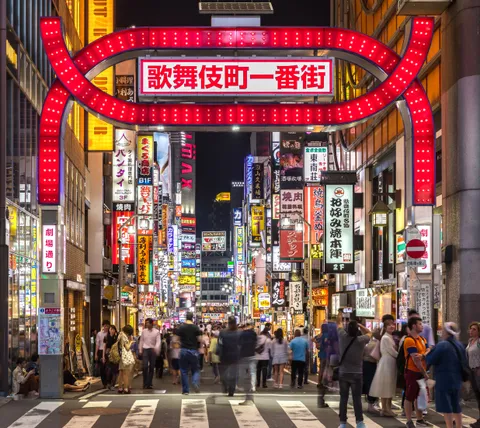
That puts it five to ten minutes from the Kabukicho nightlife covered in our Kabukicho guide, which makes the two districts easy to combine in one night — and easy to confuse, which matters, because the atmospheres could not be more different.
How it became the gay district
The history is the opposite of accidental. Ni-chōme’s gay scene grew directly out of the collapse of the area’s licensed red-light districts.
In the American occupation era (1945–1952), a gay scene began forming, and a gay tea shop is documented as early as 1948. By the 1950s gay bars were operating in Ni-chōme by name. Then came the Anti-Prostitution Law of 1956 — the law that made paid sex illegal in Japan for the first time and ended the akasen (licensed red-light) system. As the traditional sex industry left Ni-chōme, the gay subculture that had been forming quietly took over the space.
The district then accumulated the landmarks of Japan’s LGBT history: a counseling room for young gay men in 1976, the first AIDS candlelight vigil in 1986, the Tokyo International Lesbian & Gay Film Festival in 1992 (now Rainbow Reel Tokyo), and Japan’s first lesbian and gay pride parade in 1994.
One more recent note worth knowing: in 2012 the national “no dancing” rule was enforced in several Ni-chōme clubs — the same law that shaped Tokyo’s club scene — and was lifted in 2014. The district’s dance clubs now operate freely.
How the bars actually work
The single most important fact about Ni-chōme is that it is not one scene. It is hundreds of tiny scenes.
Most Ni-chōme bars seat fewer than a dozen customers, and each is deliberately specialized — the district is organized by what the owners call “scene.” There are bars for the bear community, for BDSM, for muscular men, for young men, for butch-femme lesbians, and every other niche you can name. In a society where many LGBT Japanese kept their sexuality private, these specialty bars provided the anonymity and the specificity that a general bar could not.
The experience in most venues is counter service: you sit, talk with the bartender, and possibly sing. Two conventions matter:
- Bottle keep (ボトルキープ). Regulars store their own bottle of liquor at the bar, which is why so many customers keep returning to one place. It is also how the loyalty that funds bar-organized outings — to onsen, hanami parties, picnics — is built.
- Karaoke. Almost everywhere, and the most reliable icebreaker in the district.
What a visitor should expect
The honest version, because the guidebook version oversells it:
- Most bar owners accommodate new and non-Japanese customers. You will not be turned away from the district, and the popular foreigner-friendly bars are established and known.
- But the scene is built around Japanese regulars, and some venues discourage or prohibit foreigners regardless of Japanese ability. This is not hostility; it is the anonymity system doing its job. Do not take it personally, and do not push.
- The bars worth going to blind are the ones with an established foreigner-friendly reputation. Picking a random door in Ni-chōme is genuinely hit-or-miss in a way that is not true of Kabukicho’s mainstream venues.
For anyone visiting Japan and looking for the gay scene, the practical pairing is Ni-chōme for the bar district and Tokyo Rainbow Pride season (usually spring) for the community-scale events.
The events
Two annual events anchor the district:
- Rainbow Reel Tokyo — the film festival, founded in 1992 and one of the oldest of its kind in Asia.
- Tokyo Rainbow Pride — the pride parade and festival, which typically draws several thousand people and runs from Shibuya Station through Harajuku and Omotesandō to Yoyogi Park.
Both are the occasions when the district’s small bars host events too big for their own rooms, and the whole neighborhood fills with people who are not regulars. If you want to see Ni-chōme at full strength, that is the week.
The bottom line
Ni-chōme is Tokyo’s gay district and the densest gay bar scene in the world, with a history tied directly to the end of Japan’s licensed red-light districts. It is worth a night — ideally in combination with Kabukicho, ten minutes away, and ideally in one of the district’s established foreigner-friendly venues rather than a random door. Come with cash, sit at the counter, and let the bartender set the tone.
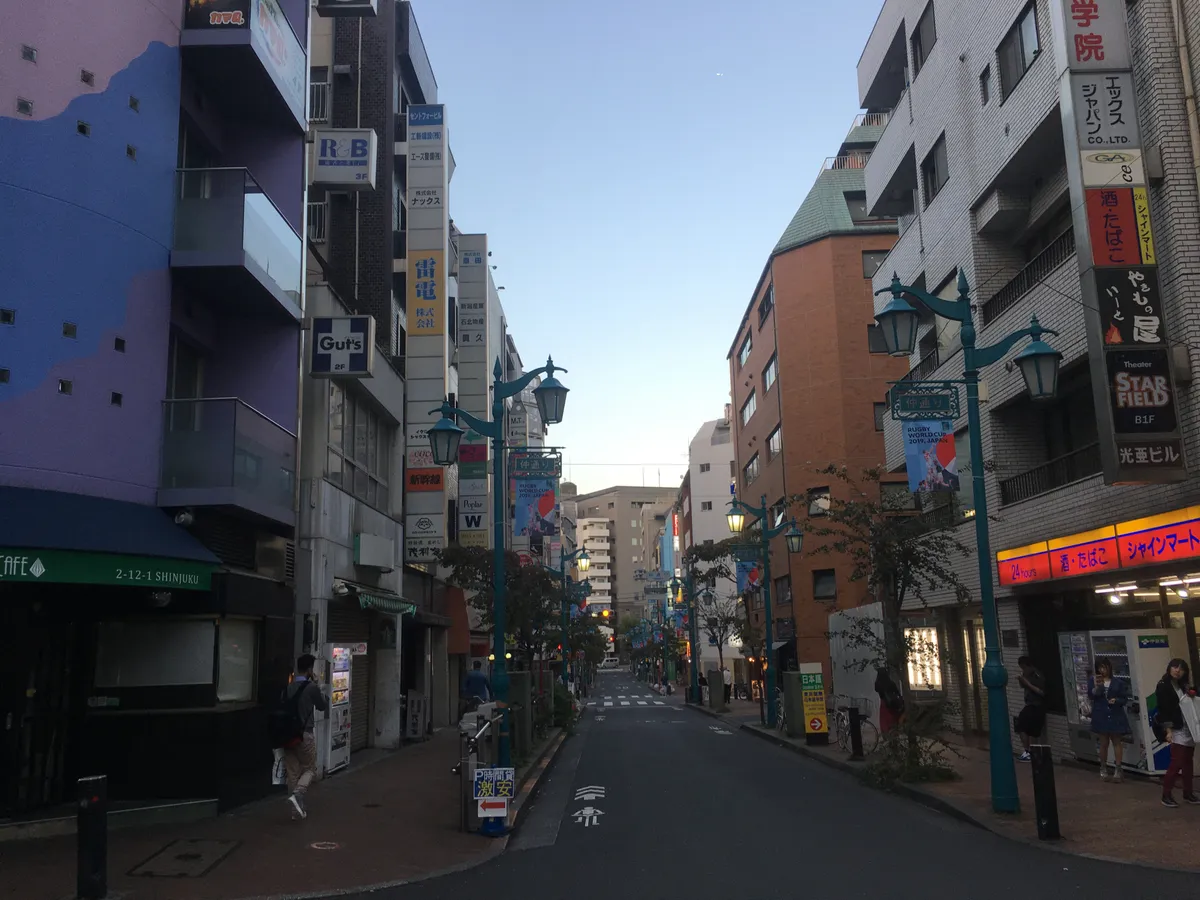
Photo: Shinjuku Ni-chōme, October 2019 by LittleT889, Wikimedia Commons, CC BY-SA 4.0.
Sources: Wikipedia — Shinjuku Ni-chōme; Japan Times — Shinjuku gay enclave in decline but not on the surface; VICE — Japan lifts its “no dancing” law. Facts only; venue counts and pricing change, so confirm before you go.
Frequently asked questions
What is Shinjuku Ni-chōme?
Ni-chōme (新宿二丁目) is a district of Shinjuku, Tokyo, and the densest gay neighborhood in the world. Within about five blocks centered on Naka-dōri, an estimated 300 gay bars and nightclubs operate, alongside restaurants, saunas, love hotels and cruising spaces.
How did Ni-chōme become a gay district?
It began in the American occupation era and accelerated after the 1956 Anti-Prostitution Law closed the area’s licensed red-light districts. As the traditional sex industry left, a gay subculture took its place, with gay bars publicly operating there from the late 1950s.
How do Ni-chōme bars work?
Most bars seat fewer than a dozen customers and are specialized by "scene" — bear, BDSM, young men, butch-femme lesbians, and more. Patrons sit at a counter and talk with the bartender; karaoke is popular, and a bottle-keep system is common, where regulars store their own bottle at the bar.
Are Ni-chōme bars welcoming to foreign visitors?
Most bar owners accommodate new and non-Japanese customers, but the scene is built around Japanese regulars and some venues discourage or prohibit foreigners regardless of language ability. The bars with foreigner-friendly reputations are well known; going in blind is hit-or-miss.
What events happen in Ni-chōme?
Rainbow Reel Tokyo (the film festival formerly the Tokyo International Lesbian & Gay Film Festival, founded 1992) and Tokyo Rainbow Pride, whose parade draws thousands and usually runs from Shibuya through Harajuku to Yoyogi Park.

Written by
CHONMAGE
CHONMAGE publishes English-language explanations of Japan's nightlife and adult-entertainment topics. We distinguish sourced legal and operator rules from estimates; venue prices, access policies and eligibility should be checked with the operator before visiting.
Keep reading