Golden Gai Shinjuku: The Ultimate Guide to Tokyo's Most Legendary Bar District

Discover the magic of Golden Gai in Shinjuku, Tokyo. Over 200 tiny bars packed into 6 narrow alleys. Essential tips, best bars, etiquette, and how to make the most of your night.

Contents
  1. What is Golden Gai?
  2. The History
  3. Why Visit Golden Gai?
  4. 1. Unparalleled Atmosphere
  5. 2. Intimate Experiences
  6. 3. Themed Bars for Every Interest
  7. How to Navigate Golden Gai: Essential Etiquette
  8. Rule 1: Understand the Cover Charge (Otōshi)
  9. Rule 2: Respect the “Members Only” Signs
  10. Rule 3: One Drink Minimum (at least)
  11. Rule 4: Don’t Linger if It’s Crowded
  12. Rule 5: Photography Rules
  13. Rule 6: Be Quiet in the Alleys
  14. Best Bars in Golden Gai for Foreigners (Tourist-Friendly)
  15. 1. Albatross (アルバトロス)
  16. 2. Deathmatch in Hell (地獄の殺し合い, Jigoku no Koroshiai)
  17. 3. La Jetée (ラ・ジュテ)
  18. 4. Open Book (オープンブック)
  19. 5. Cambiare
  20. What to Drink in Golden Gai
  21. Classic Choices
  22. Specialty Cocktails
  23. Practical Information
  24. Location
  25. Hours
  26. Best Time to Visit
  27. Budget
  28. How to Experience Golden Gai Like a Local
  29. The Bar Hopping Strategy
  30. Making Connections
  31. Safety Notes
  32. Combining Golden Gai with Other Shinjuku Experiences
  33. Before Golden Gai
  34. After Golden Gai
  35. Conclusion

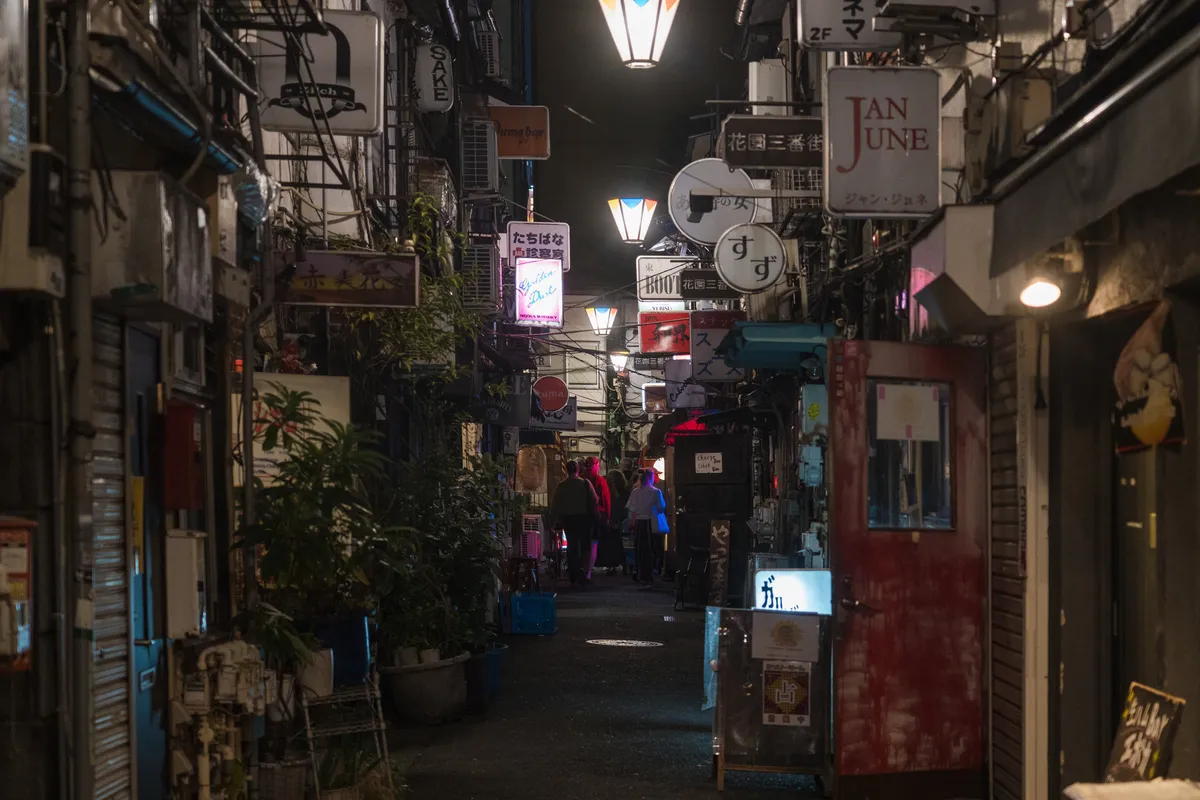
Golden Gai Shinjuku is not just a bar district—it’s a living museum of post-war Japan, a time capsule frozen in amber, and one of the most unique drinking experiences on Earth. Tucked away in the shadow of Kabukicho’s neon towers, this maze of over 200 tiny bars squeezed into six impossibly narrow alleys has been the drinking ground of artists, writers, musicians, and misfits for over 70 years.

If you’ve seen photos of those impossibly narrow alleys lit by soft lanterns, covered in hand-painted signs, and filled with the murmur of intimate conversation—this is the place. Golden Gai is pure, unfiltered Tokyo magic.

What this guide covers
  • How the cover charge and otōshi system works, and what it really costs
  • When to go, and which bars are known for welcoming first-time visitors
  • The etiquette that keeps a tiny 6-seat bar pleasant for everyone

What is Golden Gai?

Golden Gai (ゴールデン街, “Golden Street”) is a small area in Shinjuku, Tokyo, consisting of six narrow alleys (called “yokocho”) lined with approximately 200-280 tiny bars. Each bar typically seats only 5-12 people.

The History

The area dates back to the immediate post-World War II era when it served as a black market. In the 1950s, it transformed into a drinking district, attracting:

  • Artists and filmmakers (Akira Kurosawa was a regular)
  • Writers and poets (many famous Japanese authors drank here)
  • Musicians and actors
  • Journalists and intellectuals

Unlike much of Tokyo, which has been redeveloped multiple times, Golden Gai has miraculously survived. Several fires and constant pressure from developers have threatened its existence, but the tight-knit community of bar owners has fought to preserve this irreplaceable piece of history.

Why Visit Golden Gai?

1. Unparalleled Atmosphere

There is literally nowhere else like this on the planet. The combination of:

  • Crumbling wooden buildings stacked on top of each other
  • Narrow alleys where two people can barely pass
  • Soft, warm lighting from lanterns and bar interiors
  • The hum of conversations spilling out onto the street
  • Eclectic, hand-made signage reflecting each bar’s unique personality

This creates an atmosphere that is simultaneously nostalgic, mysterious, and incredibly welcoming.

2. Intimate Experiences

Because the bars are so small, you will inevitably end up in conversation with the bartender (often the owner, called a “Master” or “Mama-san”) and other patrons. These can be some of the most memorable conversations of your trip.

3. Themed Bars for Every Interest

Whether you’re into:

  • Jazz
  • Punk rock
  • Classic cinema
  • Anime and manga
  • 80s music
  • Philosophy and literature
  • LGBTQ+ friendly spaces

…there’s a bar for you. Each bar has its own distinct character, often reflecting the owner’s personal passions.

How to Navigate Golden Gai: Essential Etiquette

Before you dive in, there are some crucial rules you need to understand. Breaking these rules is considered rude and can result in being asked to leave.

Rule 1: Understand the Cover Charge (Otōshi)

Most bars in Golden Gai have a cover charge (席料 - sekiryō), typically ranging from ¥500 to ¥1,500 per person. This often includes a small snack (otōshi). This is standard, not a scam. Check for signs that say “Charge ¥XXX” or ask “Chāji wa ikura desu ka?” (How much is the charge?).

Rule 2: Respect the “Members Only” Signs

Some bars display signs like:

  • “Members Only”
  • “Regulars Only”
  • “No First-Time Visitors”

Respect these. These bars are essentially private clubs for their regular customers. Do not try to argue your way in. There are plenty of welcoming bars—move on.

Rule 3: One Drink Minimum (at least)

It is considered extremely rude to enter a bar without ordering at least one drink. The bars survive on drink sales. Order something.

Rule 4: Don’t Linger if It’s Crowded

If the bar is full or there’s a queue, the polite thing to do is have one or two drinks and then move on to let others experience it. This isn’t a place to camp for hours if others are waiting.

Rule 5: Photography Rules

  • Do NOT photograph or film other customers without explicit permission.
  • Ask the bartender before taking photos of the bar interior.
  • Many bars have a “No Photos” policy—respect it.
  • Taking photos of the alleys and exteriors is generally fine.

Rule 6: Be Quiet in the Alleys

Keep your voice down when walking through the alleys. Sound travels easily, and loud tourists disrupt the atmosphere for everyone.

Best Bars in Golden Gai for Foreigners (Tourist-Friendly)

These bars have a reputation for being welcoming to first-time visitors and non-Japanese speakers. Staff may speak some English, and there’s no “regulars only” policy.

1. Albatross (アルバトロス)

Perhaps the most famous foreigner-friendly bar in Golden Gai. It occupies three floors (a rarity here!) connected by a precarious spiral staircase.

  • Vibe: Gothic, chandelier-lit, European salon atmosphere
  • Why Go: The multi-level structure is unique; great cocktails; English menus available
  • Tip: The top floor has great views of the alley

2. Deathmatch in Hell (地獄の殺し合い, Jigoku no Koroshiai)

Don’t be intimidated by the name! This is a heavy metal and horror-themed bar that is incredibly welcoming.

  • Vibe: Metal music, horror movie decor, skulls and flames
  • Why Go: The owners are super friendly; fun, loud atmosphere; great for rock/metal fans
  • Drinks: Good whiskey selection

3. La Jetée (ラ・ジュテ)

Named after the famous French short film, this is a classic Golden Gai experience.

  • Vibe: Classic, old-school Golden Gai; cinematic posters; intellectual atmosphere
  • Why Go: Feels like stepping back in time; attracts an interesting mix of people

4. Open Book (オープンブック)

A bar for book lovers.

  • Vibe: Cozy, quiet, literary
  • Why Go: Bookshelves lining the walls; perfect for introverts who want a calm drink

5. Cambiare

A small, welcoming bar with a warm atmosphere.

  • Vibe: Relaxed, friendly
  • Why Go: The owner is known for being exceptionally welcoming to foreigners

What to Drink in Golden Gai

Classic Choices

  • Highball (ハイボール): Whiskey and soda. The quintessential Japanese bar drink. Expect to pay ¥500-800.
  • Beer (ビール): Asahi, Kirin, or Sapporo. Usually ¥600-800.
  • Sake (日本酒): Many bars have good selections. Ask the bartender for a recommendation.
  • Shōchū (焼酎): A Japanese spirit, often served with water or on the rocks.

Specialty Cocktails

Some bars have signature cocktails. Ask “Osusume wa nan desu ka?” (What do you recommend?).

Practical Information

Location

Golden Gai is located in Kabukicho, Shinjuku. The easiest access is:

  • Shinjuku Station (JR, Metro): East Exit → Walk towards Kabukicho → approximately 5-7 minute walk
  • Look for: The area is directly behind Don Quijote (the large discount store with the crazy facade)

Hours

  • Most bars open: Around 7 PM or 8 PM
  • Closing time: Varies wildly, from midnight to 5 AM or even later
  • Peak hours: 10 PM - 2 AM (especially Friday and Saturday)

Best Time to Visit

  • Weeknights (Tue-Thu): Less crowded, easier to find seats, more intimate experience
  • Weekends (Fri-Sat): Buzzing atmosphere, but some bars can be full
  • Avoid: Very early evening (many bars not yet open) and right before last train (everyone leaving at once)

Budget

For a typical Golden Gai evening (visiting 2-3 bars):

  • Cover charges: ¥1,000 - ¥3,000 total
  • Drinks (3-6 drinks): ¥2,000 - ¥5,000
  • Total: Approximately ¥3,000 - ¥8,000 ($20 - $55 USD)

How to Experience Golden Gai Like a Local

The Bar Hopping Strategy

  1. Start Early (around 8 PM): Explore the alleys while it’s still quiet. Peek into bars, read signs.
  2. Pick Your First Bar: Choose one that looks welcoming and has space. Don’t overthink it.
  3. Have 1-2 Drinks: Chat with the bartender. Ask them about their bar’s history or for recommendations on other bars.
  4. Move On: Thank them, pay your bill, and explore another alley.
  5. Repeat: Aim to visit 2-4 bars. Each will be a completely different experience.

Making Connections

The magic of Golden Gai is the people you meet. Some tips:

  • Learn a few Japanese phrases: Even basic greetings go a long way.
  • Compliment the bar: “Suteki na bar desu ne” (What a lovely bar)
  • Ask about the bar’s history: Many owners love sharing stories.
  • Be open: You might end up singing karaoke with a salaryman or discussing philosophy with a Japanese professor.

Safety Notes

Golden Gai is very safe. However:

  • Watch your step: The alleys have uneven ground and narrow stairs.
  • Cash is king: Many bars are cash only. Bring enough yen.
  • Stay sober enough to navigate: The alleys can be confusing if you’re very drunk.

Important: Unlike the main streets of Kabukicho, Golden Gai does NOT have touts trying to scam you. The bars here are legitimate small businesses run by passionate owners.

Combining Golden Gai with Other Shinjuku Experiences

Before Golden Gai

  • Omoide Yokocho (Memory Lane/Piss Alley): Another retro alleyway near Shinjuku West Exit. Great for yakitori dinner before drinking.
  • Kabukicho Tower (Tokyu Kabukichō Tower): Modern entertainment complex with restaurants, bars, and clubs.

After Golden Gai

  • Late-night ramen: Fuunji or Ichiran for that post-drinking bowl.
  • Kabukicho clubs: If you want to continue partying, WARP or Zero Tokyo are nearby.

Conclusion

Golden Gai Shinjuku is more than a destination—it’s a pilgrimage for anyone who appreciates history, atmosphere, and authentic human connection. In an age of chain bars and manufactured experiences, these 200+ tiny establishments represent something precious: individuality, passion, and the preservation of old Tokyo.

Come with an open mind, respect the etiquette, and let the alleys guide you. The conversations you have here, the characters you meet, and the mysterious, glowing atmosphere will stay with you long after you’ve left Tokyo.

Welcome to Golden Gai. 乾杯 (Kanpai)!

Photo: Golden Gai at night by Alexkom000, Wikimedia Commons, CC BY 4.0.

Frequently asked questions

How much is the cover charge at Golden Gai bars?

Most bars charge a cover charge (sekiryō) of about ¥500-1,500 per person, which often includes a small snack (otōshi). It's standard, not a scam.

What time do Golden Gai bars open and when is it busiest?

Most bars open around 7 PM or 8 PM, with peak hours from 10 PM to 2 AM, especially on Friday and Saturday.

Which bars are friendly to foreigners?

Albatross, Deathmatch in Hell, La Jetée, Open Book, and Cambiare are known for welcoming first-time visitors.

How much should I budget for a Golden Gai evening?

For visiting 2-3 bars, cover charges total about ¥1,000-3,000 and drinks about ¥2,000-5,000, for a total of approximately ¥3,000-8,000.

Written by

CHONMAGE

A Japan-based team who actually spend their evenings in the districts we write about. We check prices, entry policies and foreigner rules on the ground, then say plainly what most English-language guides skirt around.