Soapland Tokyo: Yoshiwara, Visitor Policies & Price-Check Guide
A current Soapland Tokyo guide for visitors: where Yoshiwara is, how to verify a venue's customer policy, how to check the complete advertised price, and which official legal and access sources to use.
Contents
A useful Soapland Tokyo guide should not tell a foreign visitor that a whole district has one price, payment method or admission policy. Those details are set by individual establishments and can change.
This revision keeps the existing Yoshiwara overview, but separates stable information from volatile venue information. When a current venue matters, verify it on that venue’s first-party page before you travel.
- Legal classification: current e-Gov entertainment-business law
- Location planning: Tokyo Metro Minowa and Taito City official map resources
- No venue is labelled foreigner-friendly without a current first-party confirmation
What the law actually establishes
Japan’s current Act on Control and Improvement of Amusement Business defines several types of sex-related special business. Article 2 includes a shop-based category involving private-room bathing facilities and specified customer-contact services.
That classification is narrower and more reliable than the old explanation that a venue is simply “a bathhouse” and that everything else is legally a private matter. Registration or notification under one law does not answer every legal question about a particular transaction or service.
The Prostitution Prevention Act separately defines prostitution for that statute. For context rather than case-specific legal advice, see Is prostitution legal in Japan?.
Yoshiwara: use official access sources
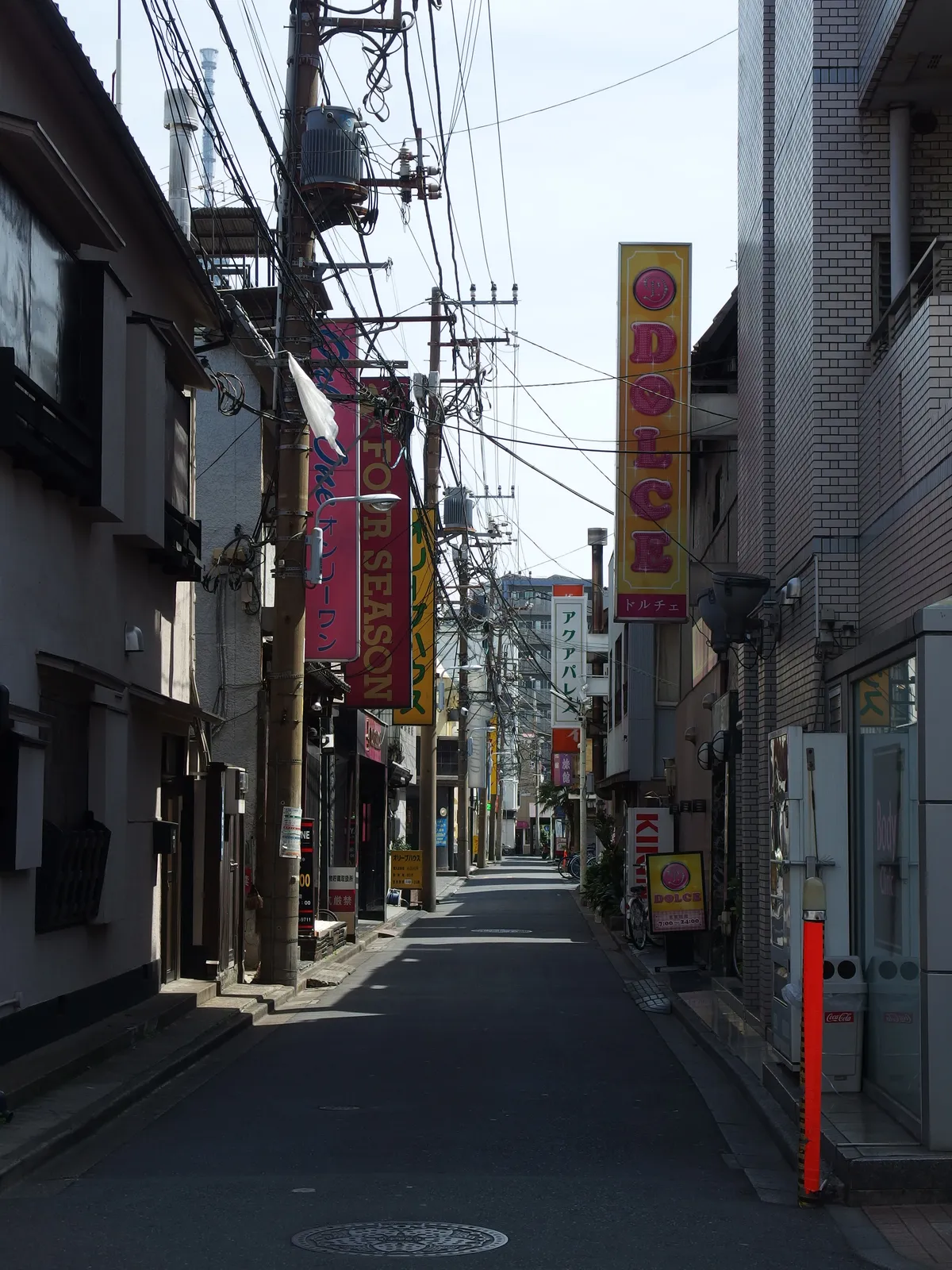
Yoshiwara is the historic name associated with the Senzoku area of Taito City. This article does not publish a fixed “15-minute walk” because walking time depends on the exact destination and exit.
For route planning:
Use the selected establishment’s own address as the final destination. Do not treat the district itself as a single venue or tourist attraction; people live and work in the surrounding neighborhood.
How to check a current price
The previous article gave a Tokyo-wide yen ladder and described a two-part payment structure as standard. That is not safe to generalize without dated venue evidence.
For a venue you are actually considering, record the following from its current official page:
| Check | What to verify |
|---|---|
| Course | name, duration and advertised amount |
| Mandatory fees | whether tax, facility, service or other charges are included |
| Request / nomination | whether it costs extra |
| Time-based add-ons | late-hour, extension or other disclosed charges |
| Payment | accepted methods stated by the venue |
| Cancellation | deadline and charge |
| Final total | what you will pay for the exact booking |
If the venue does not make the total clear, contact it before travelling. Do not assume cash-only, card acceptance, a split payment or a particular course length from this guide.
Soapland Tokyo foreigners: admission is venue-specific
There is no reliable basis for a district-wide claim about foreign-customer acceptance, nor for assigning a motive to a refusal without a source.
A venue may publish language, residency, identification or customer-eligibility rules. Those policies can also change. Before travelling:
- open the establishment’s own current website;
- look for customer and language requirements;
- contact the venue if the policy is unclear;
- ask which identification it accepts;
- ask for the complete current price and payment method;
- keep the written response.
A directory can help identify businesses, but it should not be treated as the authority for a venue’s present admission policy.
Do not infer policy from another venue
One establishment accepting an overseas visitor does not establish a district rule. The reverse is also true. Avoid phrases such as “foreigner-friendly Yoshiwara” unless the named establishment itself currently says so.
If an operator cannot confirm eligibility before you leave your hotel, choose another plan rather than travelling on the strength of an old review.
Practical boundaries
- Do not photograph workers, customers or storefronts without permission.
- Do not follow street touts offering to arrange adult services. Tokyo Metropolitan Police warn visitors about nightlife-district solicitation and rip-offs: https://www.keishicho.metro.tokyo.lg.jp/multilingual/english/safe_society/victim_of_crime/ninpo.html
- Do not assume that a business registration means any requested service is lawful.
- Leave if prices, boundaries or conditions change after arrival and you cannot get a clear explanation.
Compare formats without inventing a price ladder
If soapland access or terms do not fit your situation, other adult-entertainment formats exist, but their prices and foreign-customer policies also vary. See Fuzoku types explained for terminology and the delivery-health guide for the outcall format.
Related reading
Frequently asked questions
What is a soapland in Tokyo?
Japan's entertainment-business law includes a shop-based sex-related special-business category for private-room bathing facilities that provide specified customer-contact services. This guide uses soapland as the common industry term but does not treat every venue practice as legally identical.
How much does a Tokyo soapland cost?
There is no dependable Tokyo-wide price band. Course length, displayed fees, add-ons and payment structure vary by venue and can change, so check the venue's current first-party price page and ask for the complete total before visiting.
Can foreign visitors use a soapland in Tokyo?
Customer and language policies differ by establishment and can change. Contact the venue directly before travelling and do not rely on an old directory, forum post or another venue's policy.
Where is Yoshiwara?
The area commonly called Yoshiwara is in the Senzoku area of Taito City. For route planning, use current official station information for Tokyo Metro Minowa Station and Taito City's official map resources rather than a fixed walking-time claim.

Written by
CHONMAGE
CHONMAGE publishes English-language explanations of Japan's nightlife and adult-entertainment topics. We distinguish sourced legal and operator rules from estimates; venue prices, access policies and eligibility should be checked with the operator before visiting.
Keep reading
Related guides
Delivery Health in Japan: Tokyo Booking, Hotel Rules & Total-Cost Checklist
Read the guide →
Fuzoku in Japan: Types, Prices & Foreigner Access
Read the guide →