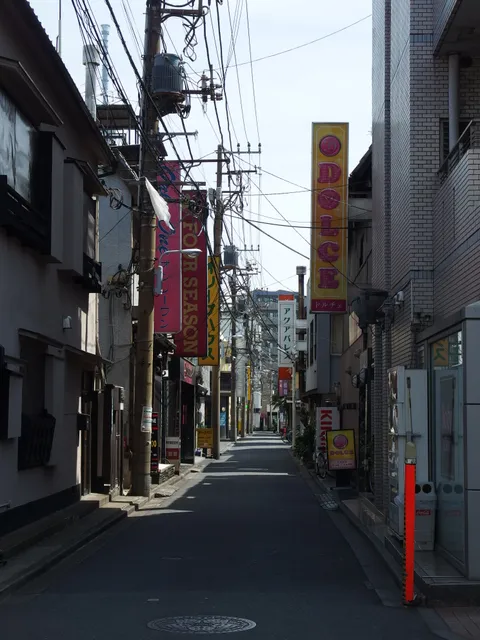
Japan Red Light District: Complete Guide for Foreigners (2025)
Everything you need to know about Japan's red light districts. From Kabukicho to Tobita Shinchi, understand the culture, stay safe, and know what to expect as a foreigner.
Contents
- Understanding Japan’s Adult Entertainment Industry
- The Legal Landscape
- The Reality for Foreigners
- Major Red Light Districts in Japan
- 1. Kabukicho, Tokyo (歌舞伎町)
- 2. Yoshiwara, Tokyo (吉原)
- 3. Tobita Shinchi, Osaka (飛田新地)
- 4. Nakasu, Fukuoka (中洲)
- 5. Susukino, Sapporo (すすきの)
- 6. Shinsekai/Tobita, Osaka
- 7. Dogenzaka, Shibuya (道玄坂)
- What Foreigners CAN Experience
- 1. Hostess Bars (キャバクラ - Kyabakura)
- 2. Host Clubs (ホストクラブ)
- 3. Maid Cafes (メイドカフェ)
- 4. Love Hotels (ラブホテル)
- 5. Girls Bars (ガールズバー)
- Critical Safety Information
- The Tout Problem
- The Yakuza Factor
- Etiquette and Cultural Considerations
- Respect the Rules
- Photography
- Don’t Be “That Tourist”
- Exploring Safely: A Practical Approach
- Conclusion
Japan’s red light districts are unlike anything else in the world. Neon-lit streets packed with host clubs, hostess bars, soaplands, and entertainment venues create a surreal landscape that fascinates visitors from around the globe. But behind the glowing signs lies a complex industry with its own rules, customs, and—crucially for foreigners—significant restrictions.
This guide will help you understand what Japan’s adult entertainment districts actually are, what you can and cannot do as a foreigner, and how to stay safe while exploring these unique areas.
- What the law actually permits, and the gray areas it leaves open
- Why most fuzoku establishments refuse foreign customers
- The safety rules — especially touts — that matter in Kabukicho and beyond
Understanding Japan’s Adult Entertainment Industry
The Legal Landscape
First, let’s be clear: prostitution in Japan is technically illegal. The Anti-Prostitution Law of 1956 prohibits the exchange of money for vaginal intercourse. However, the law is narrowly defined, and this has created a vast gray area where many forms of commercial sexual services operate legally.
This has led to the development of a massive and diverse “fuzoku” (風俗) industry, which includes:
- Soaplands (ソープランド): Bathhouses where “bathing assistance” is provided
- Delivery Health (デリヘル): Outcall services
- Fashion Health (ファッションヘルス): Similar to soaplands but no bathing involved
- Pink Salons (ピンクサロン): Oral services only
- Image Clubs (イメクラ): Roleplay-focused establishments
- Hostess/Host Clubs: Paid companionship (no sexual services)
The Reality for Foreigners
Here’s the uncomfortable truth: most establishments in Japan’s fuzoku industry do not accept foreign customers.
This isn’t racism in the traditional sense. It stems from:
- Language barriers: Staff cannot communicate rules and boundaries
- Legal concerns: Operators fear immigration complications
- Cultural differences: Misunderstandings about etiquette and expectations
- Regulars-first culture: Many establishments prioritize repeat Japanese customers
You will see “Japanese Only” or “Members Only” signs frequently. Respect them.
Major Red Light Districts in Japan
1. Kabukicho, Tokyo (歌舞伎町)
The king of all red light districts in Japan.
Kabukicho is the largest entertainment and red light district in Japan, located in Shinjuku, Tokyo. Named after a planned kabuki theater that was never built, this neon jungle spans several city blocks and contains:
- Thousands of bars, clubs, and restaurants
- Host and hostess clubs
- Love hotels
- Soaplands and other adult establishments
- Karaoke venues
- Arcades and pachinko parlors
What foreigners can actually do in Kabukicho:
- Explore the streets (it’s safe to walk around)
- Visit regular bars and izakayas
- Go to nightclubs (WARP, Zero Tokyo, IP Tokyo)
- Visit Golden Gai (separate guide available)
- Experience Robot Restaurant (touristy but unique)
- Use love hotels (often foreigner-friendly)
What to avoid:
- Following touts (street promoters) - this can lead to scams
- Entering unmarked establishments without knowing what they are
- Assuming you can enter “Members Only” venues
2. Yoshiwara, Tokyo (吉原)
The historic red light district that dates back to the Edo period (1617). Today, Yoshiwara is the largest concentration of soaplands in Japan, located in the Taito Ward.
- Historical significance: Once the only legal pleasure quarter in Edo-era Tokyo
- Today: Primarily soaplands, very few other businesses
- For foreigners: Very limited access. Most establishments are Japanese-only.
3. Tobita Shinchi, Osaka (飛田新地)
One of Japan’s most unique and visually striking red light districts. Tobita Shinchi is a small area near Shinsekai where women sit in glass-fronted rooms like living mannequins, attended by older women (obaa-san) who negotiate with customers.
- The setup: Traditional wooden buildings, women displayed in rooms, very old-school feel
- Atmosphere: Eerily quiet, almost museum-like
- For foreigners: Generally Japanese-only, but walking through is possible
Important note: Photography is strictly prohibited in Tobita Shinchi and can result in confrontation.
4. Nakasu, Fukuoka (中洲)
Kyushu’s largest red light district, built on a small island in the middle of the Naka River.
- Character: More relaxed than Tokyo, famous for yatai (food stalls)
- What’s there: Hostess clubs, soaplands, bars, and fantastic riverside atmosphere
- For foreigners: More accessible bar scene than Tokyo
5. Susukino, Sapporo (すすきの)
Hokkaido’s largest entertainment district and one of the three great nightlife districts of Japan (alongside Kabukicho and Nakasu).
- Known for: More foreigner-friendly than other districts
- Food scene: Amazing seafood and ramen
- Winter: The Susukino Ice Festival is spectacular
6. Shinsekai/Tobita, Osaka
Shinsekai itself is more of a retro entertainment district (famous for kushikatsu), but it borders Tobita Shinchi.
7. Dogenzaka, Shibuya (道玄坂)
The “Love Hotel Hill” of Tokyo. This steep street near Shibuya Station is packed with love hotels.
- For foreigners: Love hotels here are often tourist-friendly
- Range: From budget to ultra-luxury themed rooms
What Foreigners CAN Experience
While much of the fuzoku industry is inaccessible, there are still many unique experiences available:
1. Hostess Bars (キャバクラ - Kyabakura)
Women pour drinks, light cigarettes, and make conversation. No sexual services. Some establishments accept foreigners.
- Cost: ¥5,000 - ¥20,000+ per hour
- What to expect: Conversation, drinking, maybe karaoke
- Tip: Look for places advertising “Foreigner Welcome”
2. Host Clubs (ホストクラブ)
The male equivalent of hostess bars. Young, fashionably dressed men entertain female customers.
- Famous area: Kabukicho’s “Host Club Alley”
- For female tourists: Some clubs welcome foreign women
- Warning: Can become extremely expensive if you’re not careful
3. Maid Cafes (メイドカフェ)
Not strictly “adult” but adjacent culture. Staff dress as maids and treat customers as “masters.”
- Location: Primarily Akihabara
- For foreigners: Very accessible, tourist-friendly
- Experience: Cute, kitschy, uniquely Japanese
4. Love Hotels (ラブホテル)
Hotels designed for couples seeking privacy. Rooms are rented by the hour (“rest”) or overnight (“stay”).
- Foreigner access: Generally welcome
- Experience: Themed rooms, karaoke, jacuzzi baths, often quite luxurious
- Cost: ¥3,000 - ¥15,000+ depending on time and room
5. Girls Bars (ガールズバー)
A step below hostess clubs. Female bartenders chat with customers across a bar counter.
- For foreigners: More accessible than kyabakura
- Cost: Usually a set price for time + drinks
Critical Safety Information
The Tout Problem
In areas like Kabukicho and Roppongi, you will be approached by touts (客引き - kyakuhiki). These are people on the street trying to lead you to bars, clubs, or other establishments.
THE GOLDEN RULE: NEVER FOLLOW A TOUT.
Here’s why:
- Drink spiking: Your drink may be drugged
- Credit card fraud: They run your card for hundreds of thousands of yen
- Intimidation: Aggressive demands for payment
- You wake up with no memory and an empty bank account
This is not exaggeration. It happens to tourists every single week.
How to stay safe:
- Say “No” firmly and keep walking
- Never give your credit card to an unfamiliar establishment
- Stick to known, reputable venues
- Go with friends, not alone
- Trust your instincts—if something feels wrong, leave
The Yakuza Factor
Yes, organized crime has historical ties to Japan’s adult entertainment industry. However:
- You will almost certainly never directly encounter yakuza
- Their presence has diminished significantly in recent decades
- They have no interest in harassing random tourists
- The areas are safe to walk through
The real danger is scams, not gangsters.
Etiquette and Cultural Considerations
Respect the Rules
- “Japanese Only” means Japanese only
- “Members Only” means regulars only
- Don’t argue, negotiate, or try to bribe your way in
Photography
- Never photograph people in red light districts without permission
- Many areas have strict no-photo policies
- Taking photos of establishments can cause serious problems
Don’t Be “That Tourist”
- These are real businesses with real workers
- Being drunk and obnoxious is not acceptable
- The people working here deserve respect
Exploring Safely: A Practical Approach
If you want to experience Japan’s red light districts as a curious tourist:
- Walk through during early evening: The neon lights are on, but it’s less intense
- Stick to main streets: Avoid dark alleys you don’t know
- Visit legitimate bars and restaurants: Many regular establishments exist within these areas
- Use love hotels if you’re a couple: A unique, accessible experience
- Take a tour: Several companies offer guided “dark side of Tokyo” tours that are safe and informative
Conclusion
Japan’s red light districts are fascinating windows into a unique aspect of Japanese society. While much of the industry remains inaccessible to foreigners—for both practical and legal reasons—there is still plenty to observe, experience, and learn.
Approach these areas with respect, stay vigilant against scams, and remember that the most memorable experiences often come from the legitimate bars, restaurants, and conversations you find along the way.
The neon-lit streets of Kabukicho, the eerie silence of Tobita Shinchi, and the riverside charm of Nakasu are all worth experiencing—just do so wisely.
Stay safe, stay curious, and enjoy the adventure.
Frequently asked questions
Is prostitution legal in Japan?
Prostitution is technically illegal under the Anti-Prostitution Law of 1956, which prohibits the exchange of money for vaginal intercourse. However, the law is narrowly defined, creating a gray area where many commercial sexual services operate legally.
Can foreigners use fuzoku establishments?
Generally no. Most establishments in Japan's fuzoku industry do not accept foreign customers, often due to language barriers, legal concerns, and cultural differences. 'Japanese Only' or 'Members Only' signs are common.
What is Tobita Shinchi in Osaka?
A visually striking red light district near Shinsekai where women sit in glass-fronted rooms and older women (obaa-san) negotiate with customers. It's generally Japanese-only, but walking through is possible. Photography is strictly prohibited.
What is the golden rule for safety in areas like Kabukicho?
Never follow a tout (kyakuhiki). Touts can lead to drink spiking, credit card fraud, intimidation, and being robbed. Say 'No' firmly and keep walking.
How much does a hostess bar (kyabakura) cost?
About ¥5,000-20,000+ per hour, with conversation, drinking, and possibly karaoke. No sexual services are involved.

Written by
CHONMAGE
CHONMAGE publishes English-language explanations of Japan's nightlife and adult-entertainment topics. We distinguish sourced legal and operator rules from estimates; venue prices, access policies and eligibility should be checked with the operator before visiting.
Keep reading
Related guides
Is Prostitution Legal in Japan? The Law, Explained Without the Myths
Read the guide →
Fuzoku in Japan: Types, Prices & Foreigner Access
Read the guide →